Rolex was founded in London in 1905 by a 24-year-old German orphan who could not have known that the wristwatch — then a novelty for women, dismissed by men as unserious — would replace the pocket watch entirely. Almost everything the company is was decided by Hans Wilsdorf.
Kulmbach to Hatton Garden
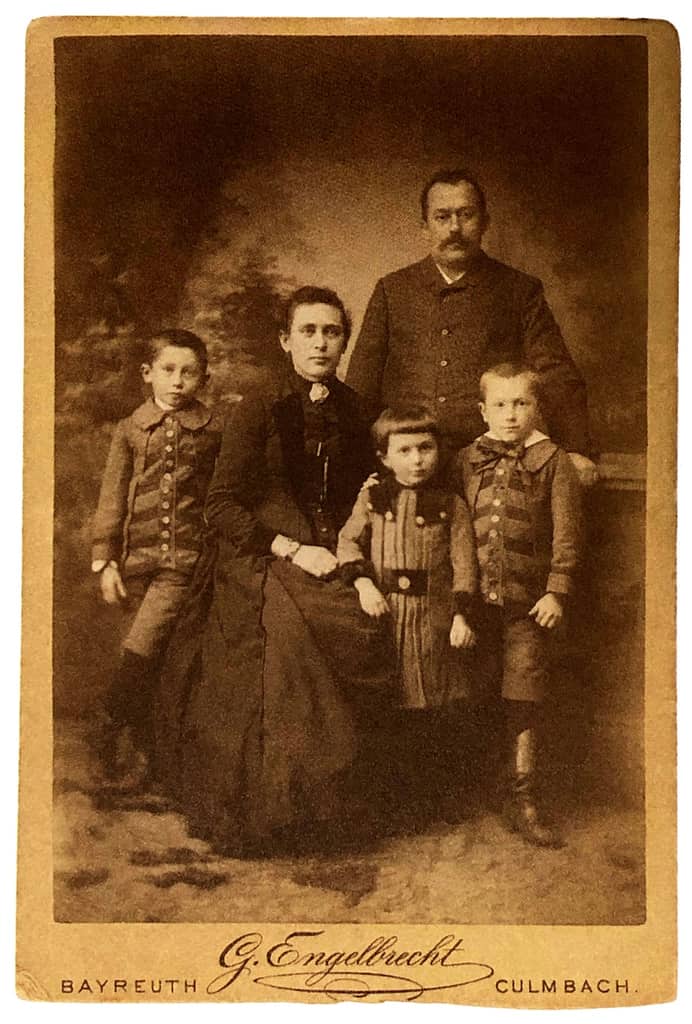
Wilsdorf was born in Kulmbach, Bavaria, in 1881 and orphaned at twelve. He worked for a pearl exporter, then for a Swiss watch exporter in La Chaux-de-Fonds, and moved to London in 1903.
In 1905 he founded Wilsdorf & Davis at 83 Hatton Garden with his brother-in-law Alfred Davis, importing Swiss movements, casing them in England and selling them to jewellers.
The bet on the wristwatch
At the time, a wristwatch was regarded as unreliable and effeminate. Wilsdorf disagreed, and set about proving it with certification: in 1910 a Rolex became the first wristwatch to receive a Swiss Certificate of Chronometric Precision, and in 1914 Kew Observatory awarded a Rolex a Class A certificate previously given only to marine chronometers.
That was the turning point. A watch that could keep marine-chronometer time on a wrist was no longer a novelty.
The name
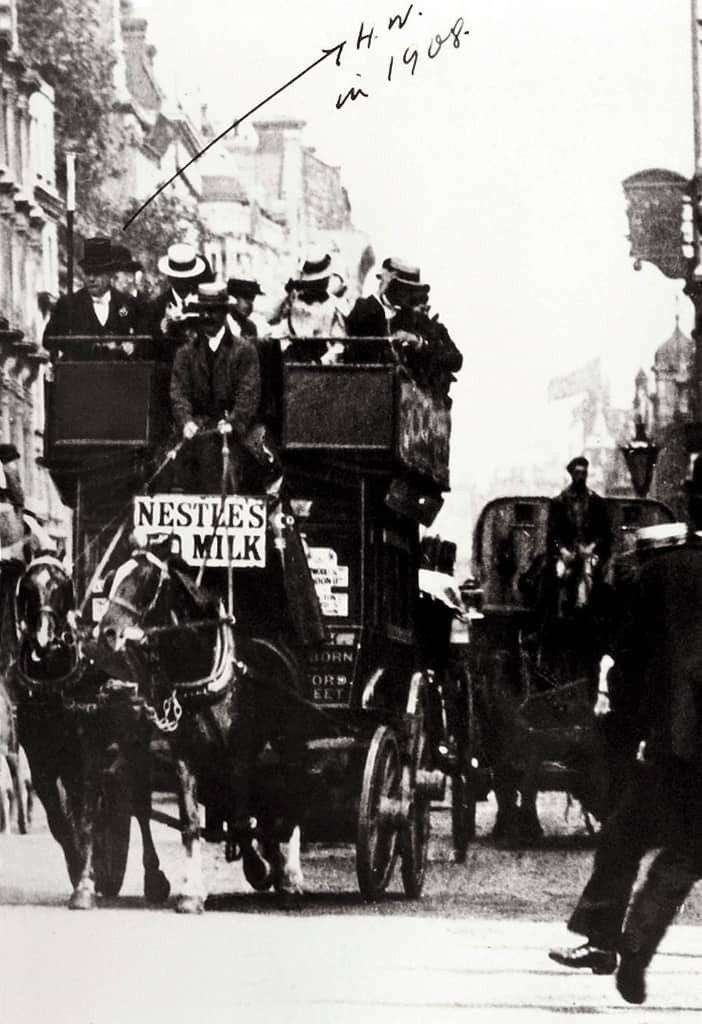
Wilsdorf registered "Rolex" in 1908. He said he wanted a word that was short, pronounceable in any language and would fit on a dial. He never confirmed where it came from, though he suggested it sounded like a watch being wound.
The move to Geneva came in 1919, driven largely by punitive British import duties on gold and silver cases after the First World War.
The Oyster, and Mercedes Gleitze
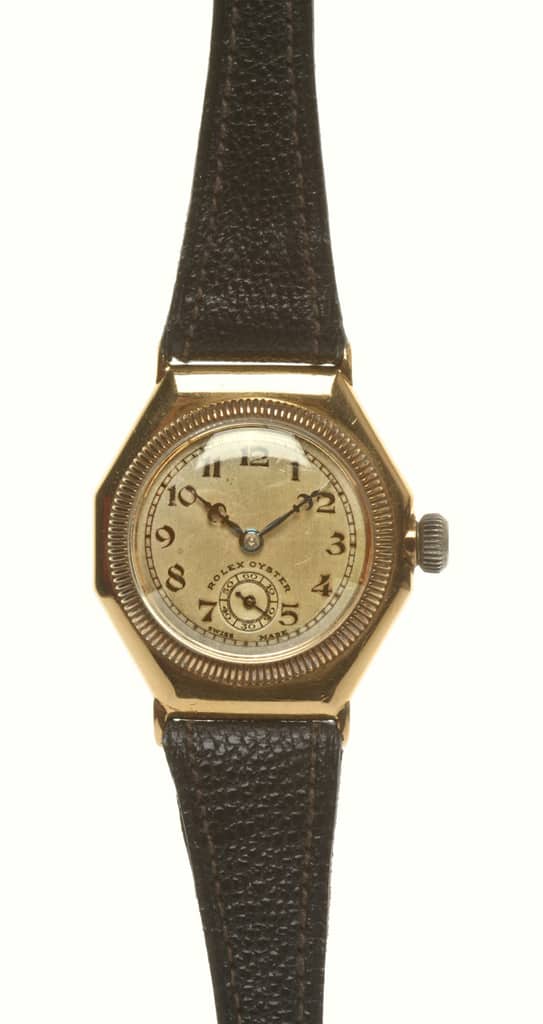
In 1926 Rolex patented the Oyster case: a hermetically sealed case with a screw-down bezel, caseback and crown. In 1927, Wilsdorf gave one to Mercedes Gleitze, who swam the English Channel wearing it around her neck. The watch survived ten hours in cold water.
Wilsdorf then took out a full front-page advertisement in the Daily Mail. It is arguably the first modern celebrity endorsement in watchmaking, and it established a pattern the company still follows: build the thing, then prove it in public.
The Perpetual and the Datejust
In 1931 Rolex patented the Perpetual rotor — a free-rotating weight that wound the mainspring in both directions. Combined with the Oyster case it solved the sealed watch's central problem: you no longer had to unscrew the crown daily to wind it.
In 1945, for the company's fortieth anniversary, Rolex launched the Datejust: the first self-winding, waterproof, chronometer-certified wristwatch with an automatically changing date. Every Rolex since is a variation on that platform.
The foundation
Wilsdorf's wife May died in 1944. He had no children, and in 1945 he transferred his shares to the Hans Wilsdorf Foundation, a private charitable trust in Geneva. Rolex has been owned by that foundation ever since.
The consequence is structural, not sentimental: Rolex has no shareholders demanding growth, publishes no accounts, and can decline to expand production indefinitely. That is why you cannot buy a Submariner off the shelf.
Browse the collection
Every watch in our collection descends from the Oyster case and the Perpetual rotor. Browse 2376 pre-owned Rolex watches from £3,070.
Frequently Asked Questions
No. It has been owned by the Hans Wilsdorf Foundation since 1945.
Wilsdorf never confirmed. He wanted something short and pronounceable everywhere.
Founded in London in 1905; moved to Geneva in 1919 over import duties.