A Rolex is a machine with a few hundred moving parts running continuously for a decade at a time. It will need servicing, and the cost of that service should be part of what you budget when you buy. Here is what it actually involves, what it costs in Britain in 2026, and when you can safely wait.
What a full service includes
The movement is completely disassembled, every part cleaned ultrasonically, worn components replaced, the whole thing reassembled and lubricated, then regulated to Rolex's tolerances. The case and bracelet are refinished, gaskets replaced, and the watch pressure-tested to its rated depth.
That last step matters more than people realise. Gaskets are rubber; they perish whether or not you go swimming.
How often
Rolex's own guidance is roughly ten years for modern calibres, which is a genuine engineering improvement over the five-year interval that used to be standard. In practice, service when the watch tells you to: when the power reserve drops noticeably, when it gains or loses more than a few seconds a day against its previous behaviour, or when the winding rotor sounds gritty.
For a watch that will go near water, replace and pressure-test the gaskets every few years regardless of movement condition.
What it costs
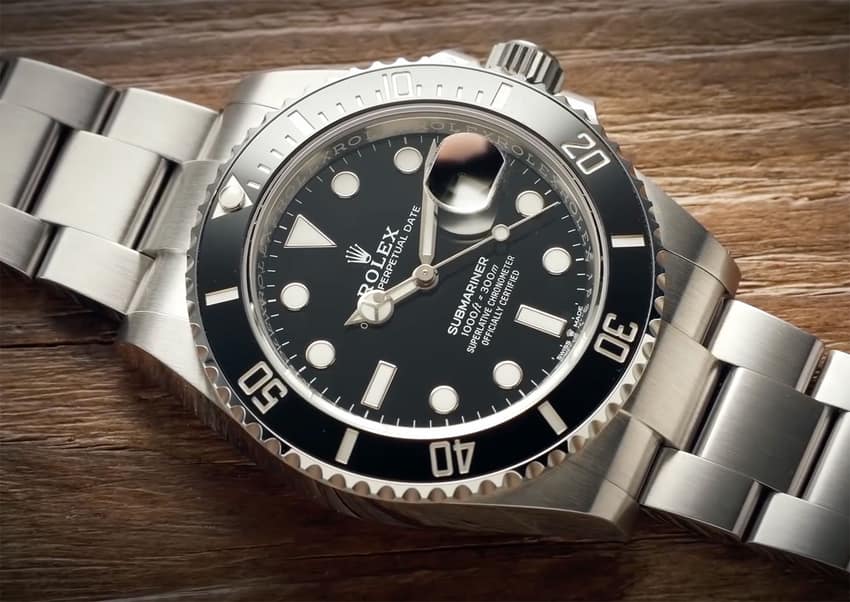
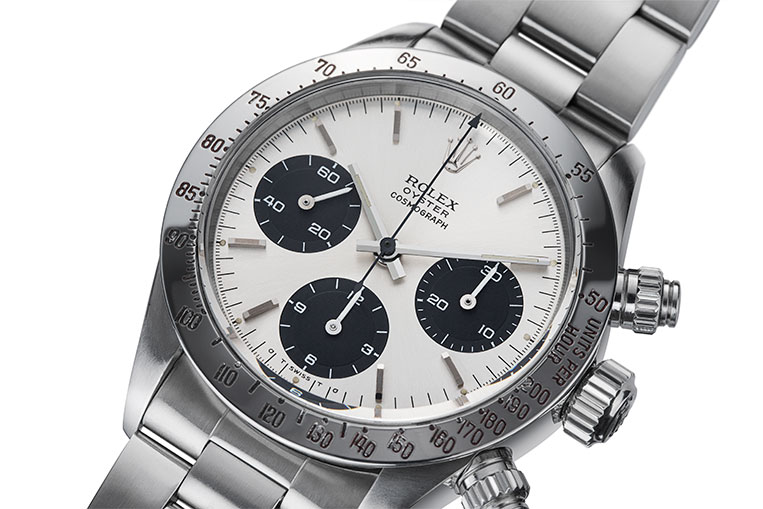
An official Rolex service through an authorised service centre for a time-and-date model — a Datejust, a Submariner, an Oyster Perpetual — sits in the high hundreds of pounds. A chronograph such as a Daytona costs significantly more because the movement is more complex. Precious-metal cases and bracelets add refinishing cost.
A reputable independent watchmaker will typically be meaningfully cheaper for the same mechanical work. The difference is largely in case refinishing and in parts access.
Official or independent?
Rolex service centres guarantee their work for two years, return the watch to factory specification and have unrestricted parts access. They also refinish the case by default, which on a vintage watch can destroy value by softening lug edges and removing patina.
Independents can usually be instructed not to polish. For a vintage or collectable reference, that instruction is worth more than the warranty. For a modern daily-wear watch, the official route is straightforward and well worth it.
What it does to value
A documented recent service is a real asset when you sell: it removes the buyer's biggest unknown. Keep every receipt and every service card.
The counterweight is polishing. A watch that has been serviced four times and polished four times has thinner lugs, softer bevels and a shallower case than it left the factory with, and a knowledgeable buyer will see it instantly. "Serviced regularly, never polished" is the phrase that adds the most money.
What we do
Every watch we sell is inspected, timed and pressure-tested before listing, and carries our 24-month warranty. Where a watch needs work we do it before it is listed, not after you have bought it.
Browse the collection
Every watch in our collection is serviced as required, pressure-tested and covered by a 24-month warranty before it reaches you.
Frequently Asked Questions
It does not affect a Rolex from before your ownership. It may affect an in-warranty new watch — check the terms before you commit.
On anything vintage or collectable, always. On a modern watch you wear daily, a light refinish is usually welcome.
Typically four to eight weeks through an official centre; often faster with a good independent.