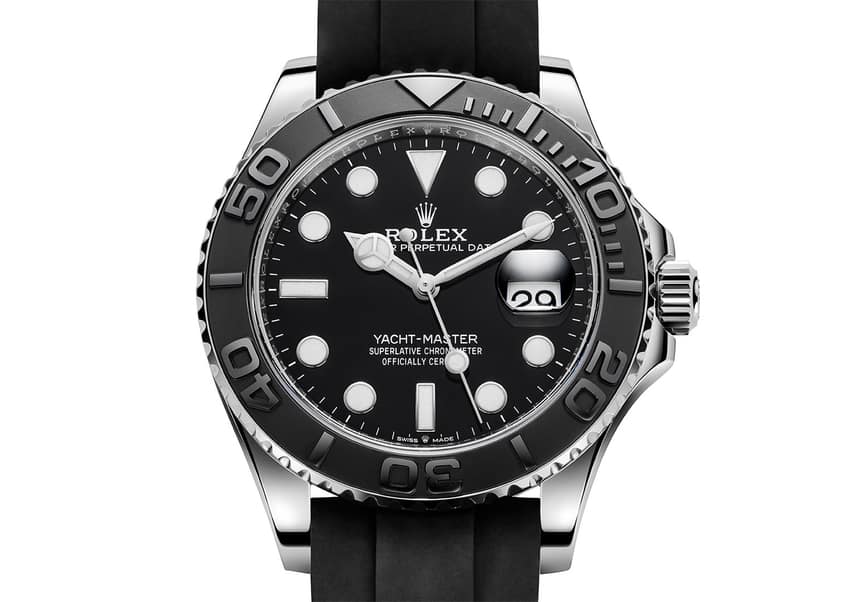
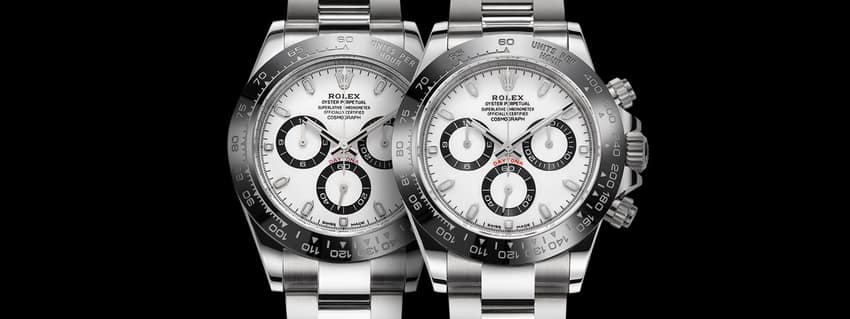
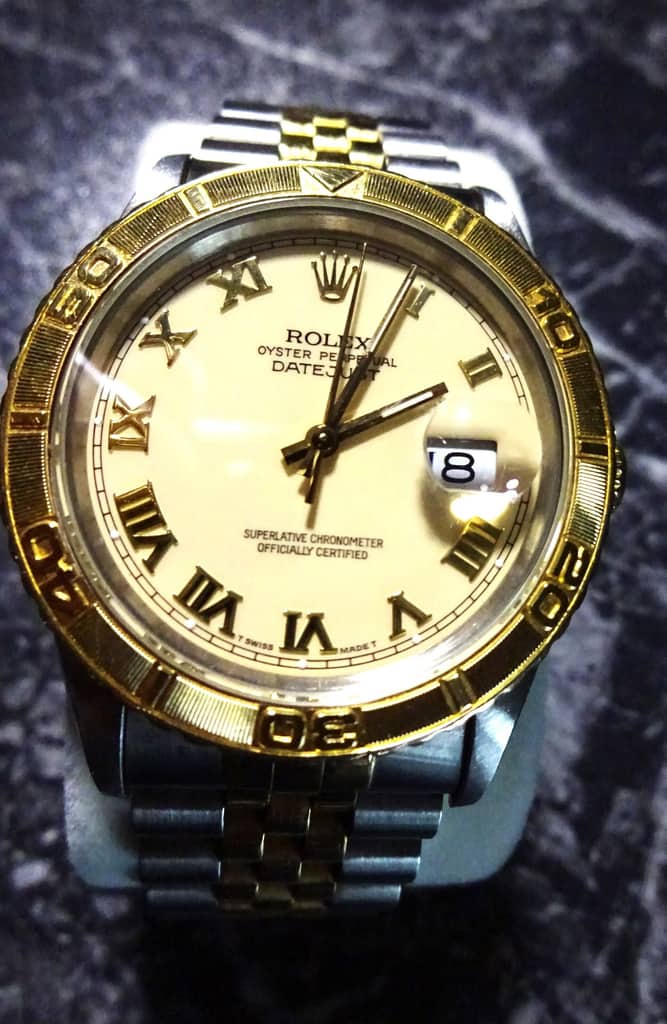
Vintage Rolex is a different market with different rules. In modern watches you buy condition; in vintage you buy originality, and the two frequently conflict. A tired, honest, all-original 1970s Submariner is worth far more than a gleaming one with a service dial and replacement hands. Here is how to tell them apart.
Originality beats condition, always
Rolex service departments have, for decades, routinely replaced dials, hands, bezel inserts and crystals as a matter of course. A watch that went in for a service in 1994 very likely came back with a new dial, and Rolex threw the old one away.
That means a mint-looking vintage Rolex is often a watch that has had its most valuable components discarded. Learn to prefer honest wear.
Dials: the biggest single value factor
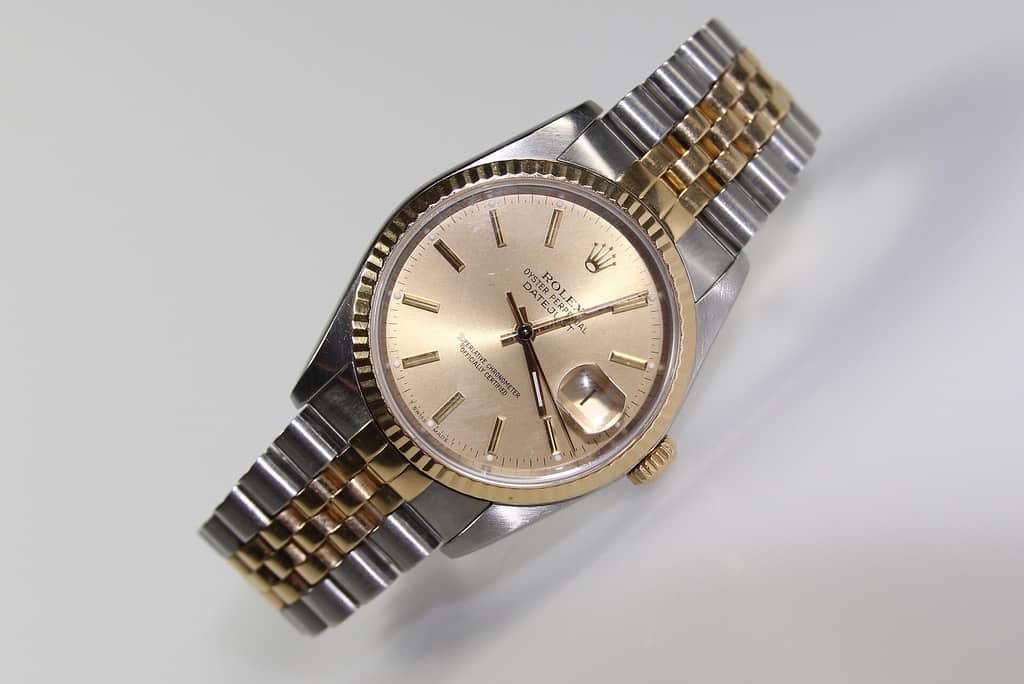
Look for correct printing for the period, correct depth and font of the text, and lume plots that match the hands in colour and age. Tritium dials (marked "T SWISS T" or similar below six o'clock) should have aged; perfectly white lume on a tritium dial means it has been relumed.
Redials — repainted dials — are common and destroy value. Signs: text that is too crisp, uneven spacing, lume plots that sit slightly wrong, and a dial surface that is too flat.
Hands must match the dial
The lume in the hands and the lume on the dial aged together for forty years. If the hands glow bright and the dial plots are cream, the hands have been replaced. If the hands are cream and the dial is bright, the dial has.
Mismatched lume is the fastest tell that something has been swapped, and it is visible in a good photograph.
Cases: polished, or not
Vintage Rolex cases have crisp bevels along the lug edges and a defined transition between brushed top surfaces and polished sides. Repeated polishing rounds the lugs, softens the bevel and thins the case.
Check the lug engravings. Weak or missing reference and serial numbers mean the case has been polished hard. Compare the lug thickness against known-original examples of the same reference.
Bezels, crystals and bracelets
Original aluminium bezel inserts with even fading are worth serious money and are frequently replaced. Acrylic crystals are consumable and replacement is expected — nobody penalises a new crystal.
Bracelets should have the correct clasp code and date stamp for the watch. Stretch is normal and expected in a 1970s Oyster; it is not a fault, but it should be priced in.
The rules we would give a first-time vintage buyer
Buy the seller before the watch. Buy the most original example you can afford rather than the most reference-rare. Assume it needs a service and budget for it. Get it independently authenticated regardless of who is selling. And be suspicious of any vintage sports Rolex priced well below the market — at this level, cheap means something is wrong.
Browse the collection
Browse vintage references across the full collection — filter by year to see everything from the 1950s onward.
Frequently Asked Questions
It reduces it substantially on a collectable reference. On a common Datejust it matters far less.
Yes, but instruct no polishing and ask for all removed original parts to be returned.
Assume not, unless the gaskets have been replaced and it has been pressure-tested recently.